Showing posts with label arches. Show all posts

Saturday, 14 March 2026

Underneath the arches, again


Underneath the arches, again

We have a winding path with three arches in our back garden. The original metal arches were replaced a few years ago. Two years ago, the third arch, furthest from the house, collapsed under the weight of evergreen climbers. We, or rather, Barry, replaced it.

Yesterday, there was an ominous crack as Barry attempted to straighten the sagging arch nearest the house and it slumped even further sideways. It hadn’t damaged the fence round the pond, fortunately, but it was beyond repair, so this morning it was removed. This wasn’t a task quickly accomplished, as the arch was supporting, or rather being supported by, a long-established rose, a vigorous evergreen honeysuckle and jasmine. The plants had to be stripped out first. They have been reduced to ground level and if they grow again, and they probably will, we shall keep them as shrubs if we can, which will be easier to control.

There was a robin singing extravagantly loudly as we worked, which was a delight. In the course of the work, we came across an empty bird’s nest. Any birds planning to use it again this spring will be sadly disappointed.

There is now a huge pile of branches waiting to be graunched into mulch. Over the years, our ground level has risen considerably, as we have added layers of mulch around the trees and shrubs.

Suddenly, the garden looks much bigger. Maybe we will reconsider the remaining arches and whether they, too, should be demolished. It would make garden maintenance easier and more straightforward, though possibly less interesting to the eye.

Sunday, 21 April 2024

Underneath the Arches


Underneath the Arches

We have three arches along a winding path in the garden, now entering their third iteration. The first ones were metal and lasted a few years. Their replacements were wooden and lasted a few years more. When they started to sag, being supported by rather than supporting honeysuckle, clematis and jasmine, they were strengthened with spars, which kept them going a little longer.


 Now, they are being replaced with sturdier structures. We considered doing away with them altogether, but we like the different aspect they give the garden. Really, we should be trying to make the garden easier to maintain, I suppose, but that’s not the way we do things. It keeps us out of mischief!

Elsewhere in the garden  . . .


        Raspberry canes. Look carefully and you'll see small flower buds.

                                            Crab apple blossom

                                    The pretty bells of blueberry

Interesting bark of the apricot tree. We don't get much fruit, but what ripens is delicious.

Tuesday, 1 November 2011

ABC Wednesday P is for . . .

 . . . Pansies almost all the year round.
 . . . Petunias with their velvety petals. The palest colours have the strongest scent. To encourage continuous flowering in these summer annuals the dead heads should be removed. The sap is very sticky.
 . . . Pelargoniums come in a variety of reds from scarlet and crimson to peach and pink and white. They are grown as annuals in our temperate climate and are easily propagated from cuttings. Some people dislike the scent of geraniums – I think the strong pungent smell is wonderful. Pelargoniums are still flowering in our garden despite a light frost a week ago.
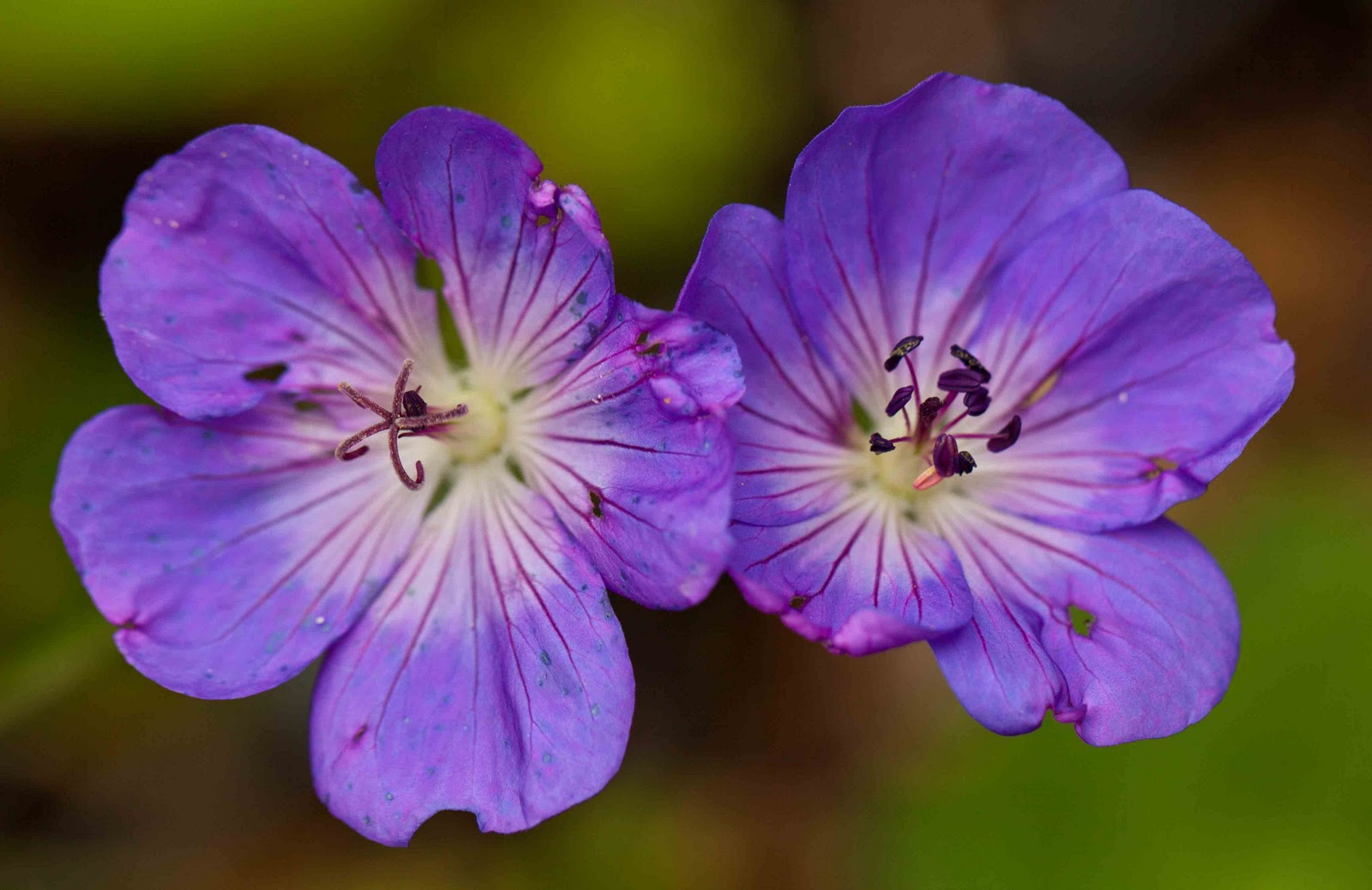
. . . Perennial geranium – otherwise known as cranesbills. There are one or two still hanging on.
 . . . Pinks (Dianthus) perennial sweet-scented flowers. There are very few flowers now.
 . . . the Pond in our garden supports much wild life including Pond skaters
 . . . the Endless Pool is a source of pleasure for all the family.
Pruning – our garden requires quite a lot of pruning. It’s our fault for planting so many shrubs. This year the arches were very overgrown and the flowers not as prolific. Those we had were about ten feet off the ground so we set to  pruning them.  Barry thought I was going to give them a trim but I had warned him I was going to cut them right back. I did this a few years ago and was rewarded with fresh growth and many flowers the following summer. The birds are a little despondent, having lost their shelter temporarily.
Hydrangea Petiolaris was hidden under Clematis 'Pille'.
Some of the prunings can be seen in a heap.
Click here to Peek at more Ps