Origins

I had noticed some green leaves in a flowerpot, but didn’t pay them much attention until I realised they were producing flower buds. This provoked me into closer inspection.

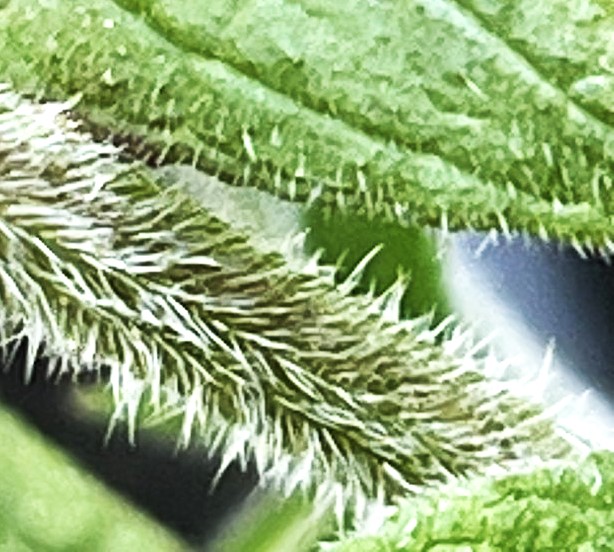
The flowers are blue with white centres and are sometimes confused with forget-me-nots, though the plant stems are covered in bristly hairs and the leaves are also hairy, unlike forget-me-nots.
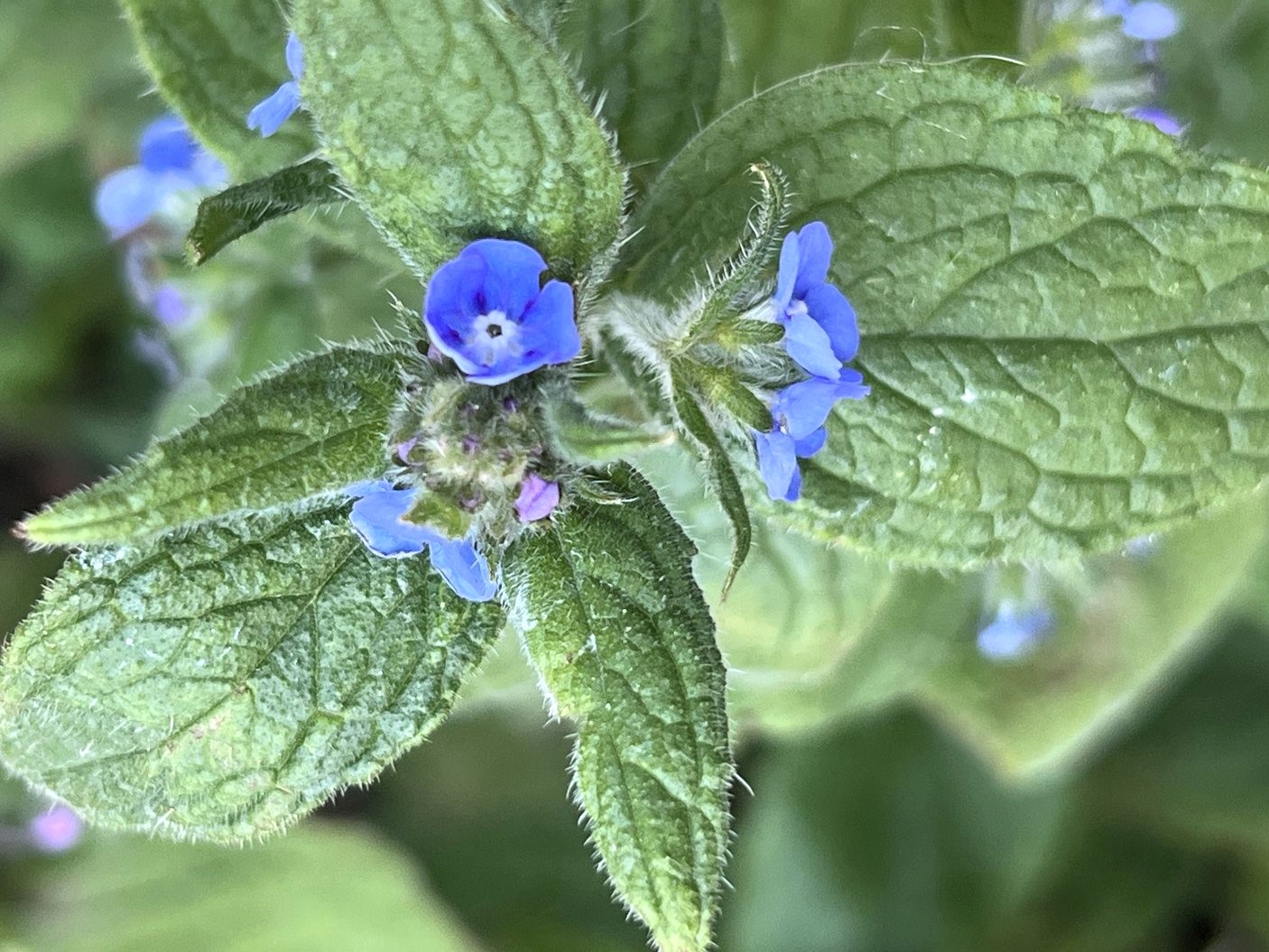
Green alkanet is a rich provider of pollen and nectar for bees, butterflies and hoverflies, flowering throughout the summer. Its leaves give food for the day-flying Scarlet tiger moth (Callimorpha dominula) and shelter for invertebrates at soil level.


Scarlet tiger moth images courtesy Wikimedia Commons
It used to be considered edible, although it did not taste very pleasant. Its pretty flowers were used as garnish for many dishes. However, latterly it has been discovered to contain carcinogens. In addition, the bristles can cause skin rashes, so it’s advisable to wear gloves when handling it.
Green alkanet is not native to Britain and has its origins in Spain, France, and Portugal. It was first brought to Britain around 1700, as an ornamental garden plant and was available for sale in plant nurseries. Inevitably, by 1724 it had escaped and quickly established itself in grass verges and hedgerows. It is common in southern England.
