Heavenly!

Simply heavenly!
Heavenly!
Simply heavenly!
A sunny
day in early June
Aquilegias


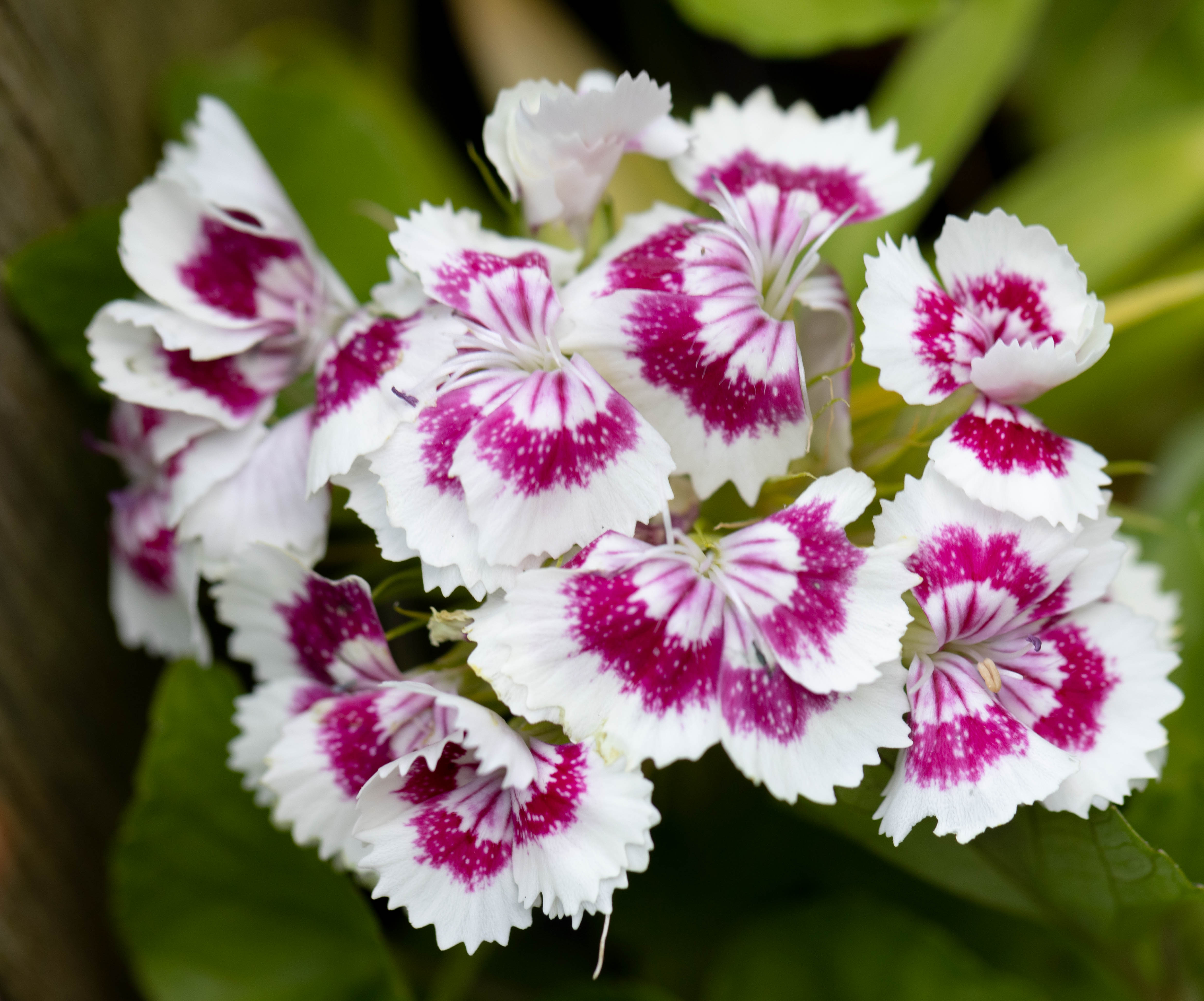


These are ‘Indian carpet’. The petals are edible and also make a relaxing herbal tea.
Campanula

Campanula flowers can be added as decoration but have little flavour. The leaves are also edible with a very mild taste and can be added to salads.
Pansy

Chives

The commonest
varieties are common (onion) chives
and garlic (Chinese) chives, which
have white flowers.
Perennial geranium

 I took these photographs to capture the butterfly in my ongoing attempt to add to my ability to identify lepidoptera - currently I am confident of correctly naming two! At the same time I thought I would increase my botanical knowledge. So, instead of giving you 'a plant with flowers like yellow daisies' I would like to introduce you to Senecio jacobaea, otherwise known as Common ragwort. It was believed mistakenly that an infusion made from the plant would cure staggers, a disease affecting the brain and spinal cord of horses. Because of its supposed power it was named for Saint James, the patron saint of horses. It was also said to start flowering on 25th July, Saint James' Day.
