Underneath the spreading chestnut tree . . .

. . . there are thousands of spent catkins. They are about thirteen centimetres (five inches) long and carpet the woodland floor.
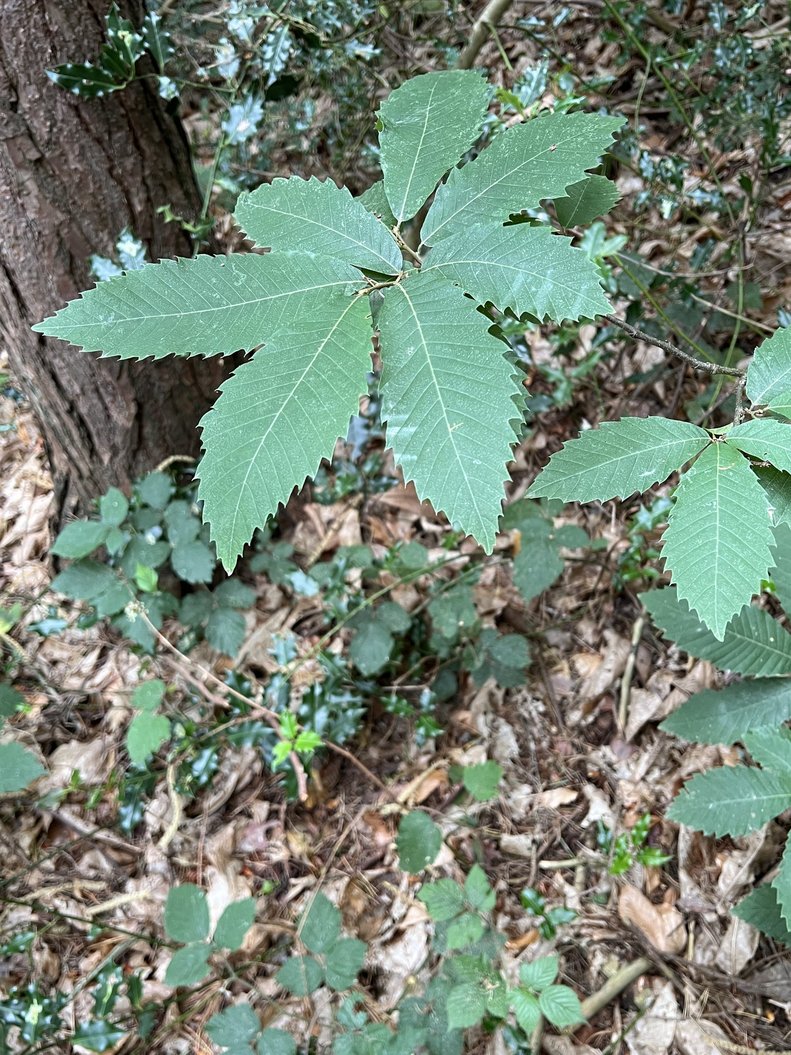
The sweet chestnut tree (Castanea sativa) has grown in the UK for so many centuries that it is regarded as native, but it hails from southern Europe and Asia Minor. It was once thought to have been introduced by the Romans, but scientific methods have suggested that it was introduced much later. The first confirmed planting dates from around 1640 AD, though some ancient specimens probably existed in Tudor or Stuart periods.
It is believed to have survived the last Ice Age, approximately 115,000 to 11,700 years ago in southern Europe.
It is a long-lived deciduous tree, attaining several hundred years and growing to heights approaching thirty-five metres with a girth of two metres. Some ancient examples are over two thousand years old, but most should be able to survive for around seven hundred years.
It belongs in the Fagaceae family alongside oaks and beeches.

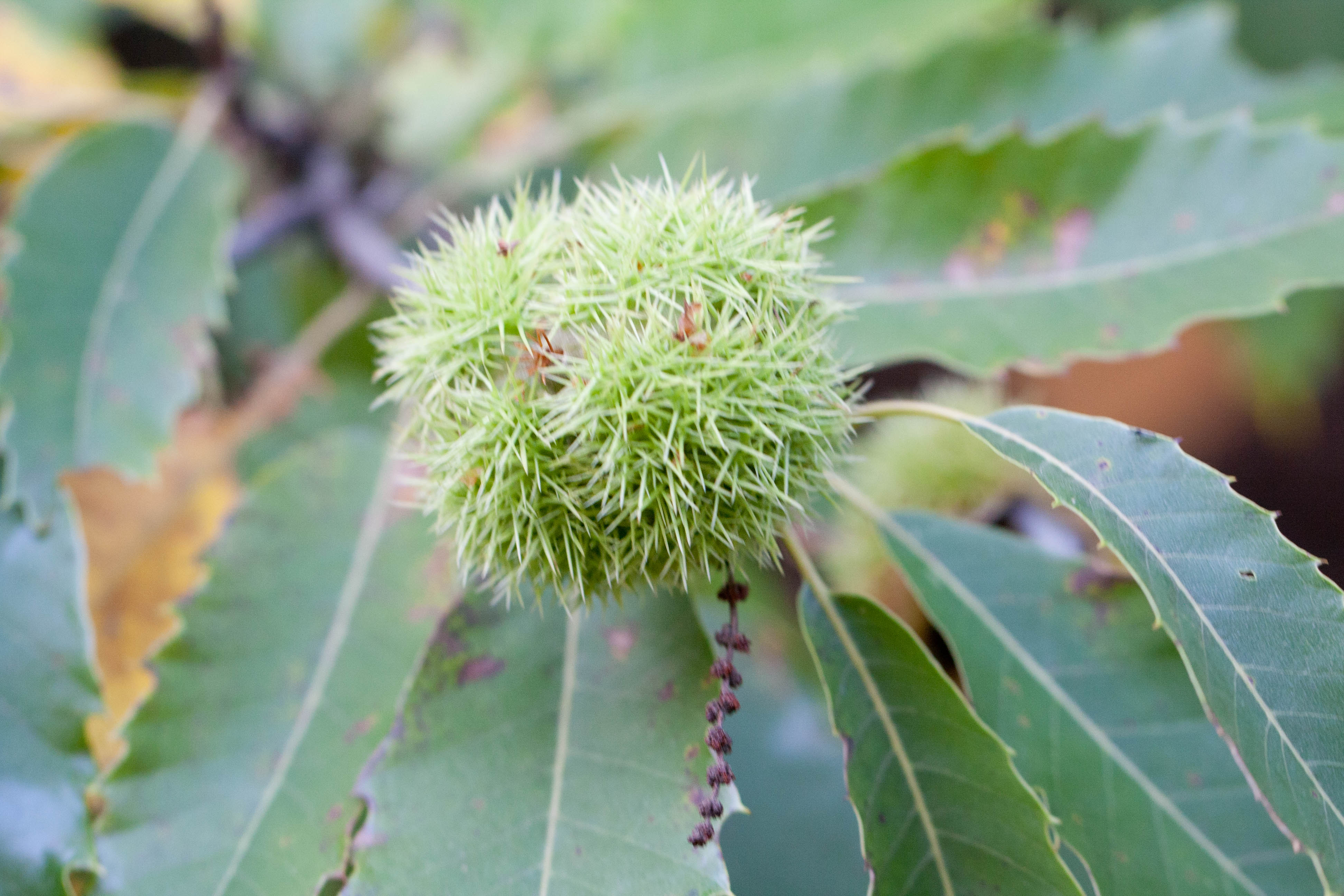
In late summer or early autumn, the woodland floor is littered with the ripe chestnuts, mostly all still within their prickly cases.
The wood of the sweet chestnut is similar to oak but easier to work with. The trees were extensively planted in Kent to be used in producing hop poles, because their wood was strong and rot-resistant. The hop industry has declined, although Kent is still the main hop-growing region in the country, but the wood is still used for fencing and stakes.
Strangely, although I was brought up in Kent, I don’t recall sweet chestnut trees being prominent in the landscape. They are much more prevalent where I now live, in Berkshire.





 Despite the 'No U-turn' sign some drivers decided to risk it!
 Beyond the fence there was a pig farm.
 They had plenty of room to root around, adequate shelters and water and there were many crows keeping them company. Pigs need shade as they can suffer from sunburn.
 It's good to know there are parking lay-bys ahead with public telephones. Cars overheat or break down and it's not always possible to get a signal on a mobile (cell) phone.

